Portable solar generators are transforming the way we access power on the go, offering an eco-friendly solution to power small devices and even large appliances. These generators differ in capacity and capability, making them a versatile choice for various needs, from camping trips to emergency backups. Assessing how much power a portable solar generator can provide will help you make the right decision for your energy needs. Let’s explore the power capacity of different types of portable solar generators, analyze the factors influencing their output, and guide you in choosing the ideal generator for your specific requirements.
How Much Power Typical Generators Deliver?
Portable solar generators come in different sizes, delivering varying levels of power. They are generally classified into three main categories based on their wattage and capacity: small portable units, medium-capacity units, and high-capacity expandable stations, each serving different power needs efficiently.
Small Portable Units: Everyday Electronics
Small portable solar generators are perfect for charging everyday electronics such as smartphones, tablets, and cameras. They typically offer power between 100 and 500 watts and have a battery capacity ranging from 150Wh to 300Wh. These units are lightweight and portable, making them ideal for outdoor adventures and short trips. Despite their compact size, they can keep essential gadgets running for a few hours. If you require a reliable power source for basic electronics while camping or during brief power outages, a small portable unit provides a practical and sustainable solution. Their convenience and portability make them a popular choice for tech-savvy travelers and outdoor enthusiasts alike.
Medium-Capacity Units: Appliances and Tools
Medium-capacity solar generators are suited for powering larger devices like laptops, small refrigerators, and power tools. These units deliver power in the range of 500 to 1500 watts, with a battery capacity from 500Wh to 1000Wh. This makes them more substantial in both power and size, yet still manageable for car travel. For instance, such a generator could efficiently run a laptop for several hours or keep a mini-fridge operational overnight. They cater not only to home applications but trade needs as well, providing essential power for fieldwork where a steady electricity supply is absent. With the ability to drive more power-hungry devices, they strike a harmonious balance between portability and capacity for extended use.
High-Capacity and Expandable Stations
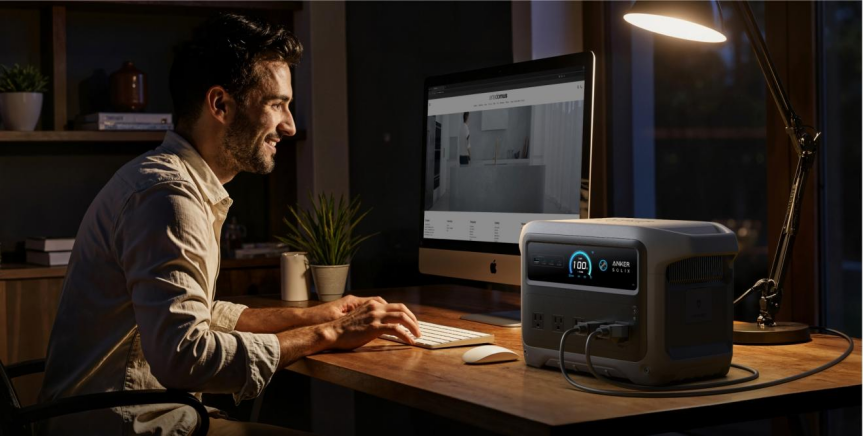
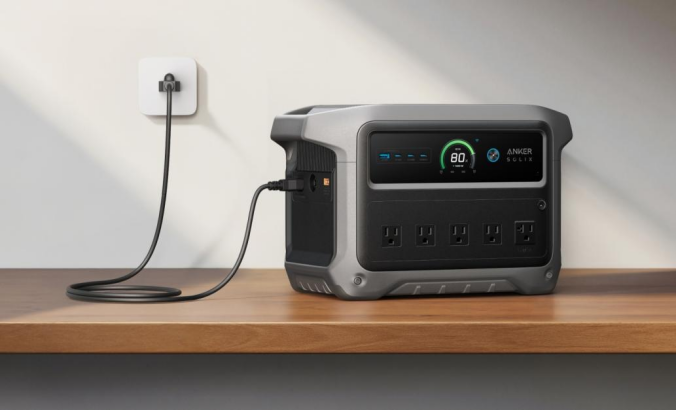
High-capacity solar generators like the Anker SOLIX C1000 Gen 2 provide robust power solutions. With up to 2,000 watts of output, a 3,000-watt peak, and 1,024Wh capacity, these stations can supply power to multiple devices. This includes heavy-duty appliances and more significant home devices like televisions, full-size refrigerators, and essential medical devices during power outages. Some units offer expandability features, allowing additional solar panels or batteries for increased power supply and storage, catering to demanding situations like long-term remote work or off-grid living. Such high-capacity solutions ensure that even in emergencies, you are equipped with enough power to maintain a semblance of normalcy.
Factors That Affect Power Output
Several factors affect how effectively a portable solar power generator can deliver power. Primarily, the energy output depends on the solar input, sunlight conditions, battery efficiency, and the inverter’s capacity.
Solar Input and Sunlight Conditions
The efficiency of a solar generator heavily relies on the solar input it receives, which varies based on sunlight conditions. Sunlight intensity and duration determine how fast and fully a generator charges. Optimal conditions involve direct sunlight for several hours, which may not always be feasible due to weather or location constraints. Solar panel efficiency also plays a critical role—higher efficiency panels convert more sunlight into usable energy. For those in less sunny climates, choosing a generator with high-efficiency solar panels can significantly enhance power generation. Conversely, shaded conditions reduce output, necessitating strategic panel placement and possibly more time for adequate charging.
Battery Efficiency and Inverter Limits
Battery efficiency dictates how well a generator stores and supplies power. Energy is lost during storage and conversion, so a high-efficiency battery minimizes this loss, preserving more of the harvested solar energy for actual use. Coupled with battery performance is the inverter, which converts DC to AC power. Inverter efficiency is crucial because it affects how much of the stored energy gets transferred into usable power for AC devices. Inverter capacity must match your power usage requirements to prevent overload and ensure smooth operation. Notably, overloading an inverter can drastically reduce the lifespan of both the battery and the inverter itself.
How to Choose the Right Generator Capacity?
Choosing the right generator capacity involves accurately matching your power needs with the generator’s watt-hour (Wh) and watt ratings.
Matching Your Needs to Wh and Watt Ratings
To match your power needs with a generator, calculate the total watt-hours required by adding the wattage of all devices you’ll power and the duration of use. The generator’s watt rating must exceed the highest wattage needed for individual devices. For example, if running a 300W fridge and a 100W TV, choose a generator with a comfortable watt rating above 400W for sustained use. Moreover, the watt-hour capacity must cover use periods without solar recharge, allowing uninterrupted device operation. Evaluating your power habits will facilitate selecting a generator that reliably meets those needs, balancing convenience with functionality and efficiency.
Planning for Peak Loads and Safety Margins
Consider peak power loads and safety margins when selecting a generator. Peak loads occur when devices draw extra power upon startup, a factor not to overlook, especially with appliances. The solution is a generator with a peak watt rating or surge capacity that exceeds the combined startup demands of your devices. Always maintain a safety margin by not running the generator at maximum capacity continuously, which strains the system and shortens its lifespan. Opt for a unit with a 20% power buffer above your total peak load requirements. This thoughtful planning ensures longevity, reliability, and efficient use of your solar generator.
Conclusion
Understanding the power capabilities of portable solar generators helps ensure you select the best fit for your needs, whether for casual use or emergencies. Generators range from small units for simple electronics to powerful stations for heavier demands, each offering unique advantages. Factors like solar input efficiency and inverter capacity play crucial roles in performance, emphasizing the need for careful consideration when choosing. Matching your requirements with generator specs ensures sustained power availability. With these insights, you’re equipped to harness solar energy efficiently, making informed decisions for reliable power anytime, anywhere.