Extreme weather can cause power outages for hours or even days. Hurricanes, snowstorms, heatwaves, and wildfires frequently leave households without reliable power. Solar-powered generators provide a clean and quiet backup alternative, but not all models work well in tough environments. Resilience is determined by three factors: build quality, battery chemistry, and system capacity. To provide reliable electricity during extreme weather, use equipment that is intended for durability and long runtime. This tutorial discusses which characteristics are most important and how to prepare your solar generator for harsh locations and prolonged outages.
What Makes a Solar Generator Suitable for Extreme Weather?
Durable Build Quality and Weather-Resistant Design
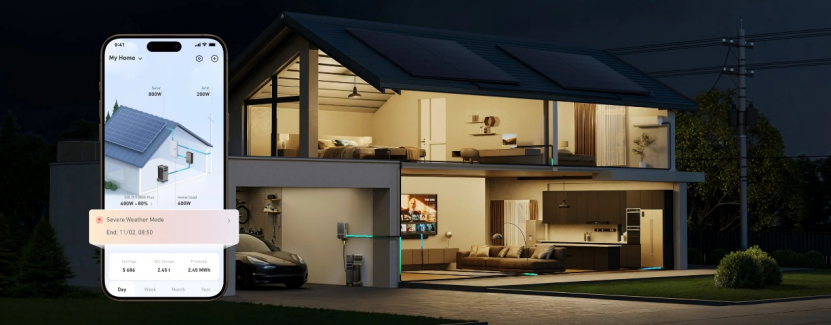
A solar generator intended for adverse conditions must have a durable and protected shell. Look for robust casings that can withstand impact and vibration. Weather-resistant polymers safeguard internal electronics from moisture and dust. Sealed ports and shielded outlets help to keep rain and debris out. Proper ventilation design reduces overheating and keeps water out. Units with greater ingress protection ratings have superior resistance to environmental harm. Durable handles and strong bases contribute to safe transfer during crises. Choosing a durable and weather-resistant design guarantees that the generator can endure storms, heavy handling, and changing environmental circumstances.
Battery Performance in High Heat and Freezing Temperatures
Battery chemistry is essential to harsh weather performance. High temperatures can hasten battery breakdown and shorten longevity. Freezing conditions may temporarily reduce charging efficiency. LiFePO4 batteries are frequently more thermally stable than ordinary lithium-ion batteries. Check the manufacturer's specifications for appropriate operating and storage temperatures. Some systems contain temperature sensors and automated protective measures to prevent dangerous charging in high situations. Whenever feasible, store the generator in a temperature-controlled environment. Understanding battery constraints allows you to maintain constant output while avoiding long-term damage during heat waves or winter storms.
High Surge Output and Reliable Backup Power Capacity
Extreme weather often increases electricity demand. Homeowners may need to power refrigerators, sump pumps, heaters, or medical devices simultaneously. A suitable solar generator must offer strong continuous output and high surge capacity. Surge output enables a steady start for appliances with motors or compressors. During grid disruptions, adequate battery capacity allows for several hours or days of operation. Always match the inverter ratings to the projected peak loads. Choosing a system with enough storage and output reduces overload and guarantees reliable performance when critical devices must run continually.
How to Choose and Prepare a Solar Generator for Severe Weather?
Proper System Sizing for Multi-Day Backup
Severe weather can cause prolonged outages; therefore, system sizing is crucial. Calculate the daily energy usage for critical appliances. Multiply this figure by the number of days you require backup coverage. Increase the safety buffer to accommodate gloomy weather or increasing demand. Larger battery capacity increases runtime and durability. Consider extendable battery modules for increased versatility. Proper size minimises quick depletion and maintains a consistent energy supply throughout protracted crises. Planning for multi-day autonomy improves readiness and decreases stress under unknown situations.
Solar Panel Placement and Protection Strategies
When there is excessive heat or storms, the positioning of panels might alter how efficiently they charge. Panels should be installed in safe areas that are exposed to sunlight without any obstructions. Make use of mounting techniques that are robust and can resist severe winds. Winter performance is improved by tilt frames that can be adjusted, and they also assist in snow sliding off naturally. By using insulation that is resistant to the elements, cables may be protected from abrasion and moisture. Examine the panels for any fractures or connections that may have become loose after strong storms. Maintaining constant charging and preventing structural damage are both accomplished through strategic placement and protection. Panels that are adequately secured provide a major contribution to the entire system's resilience.
Maintenance, Storage, and Emergency Readiness Planning
Upkeep on a regular basis guarantees that your generator will continue to function properly even in the face of severe weather. If there is a forecast of severe weather, make sure the battery is completely charged. Test the output and make sure that all of the ports are functioning correctly. If you want to prevent moisture damage, you should store the device in a dry and well-ventilated area. Maintain easy access to all of the necessary cables and extension cords. Establish a well-defined strategy for the prioritisation of load during power interruptions. Inspection and preparation on a regular basis lessen the likelihood of an unexpected failure occurring. Maintenance that is performed proactively improves dependability and helps to ensure safe functioning during times of emergency.
Conclusion
Solar-powered generators have the ability to provide consistent backup power during times of severe weather, provided that they are selected and maintained in the appropriate manner. A robust structure, constant battery chemistry, and enough capacity are some of the elements that are considered to be among the most crucial attributes. It is possible to increase reliability during extended power outages by ensuring that panels are mounted in a secure manner and according to the appropriate dimensions. In challenging situations, a solar generator has the potential to offer energy support that is not only environmentally friendly but also durable, provided that it is meticulously designed and constructed.