Power outages can happen unexpectedly due to storms, equipment failures, or local grid issues. Losing electricity affects lighting, communication, refrigeration, and even basic safety in a home. A little preparation can prevent unnecessary stress and reduce risks when the lights suddenly go out. Simple steps taken in advance make it easier to stay comfortable and informed during short or extended outages. Practical actions that fit easily into normal household routines can make a significant difference, and these steps are outlined clearly in this article, helping households prepare with confidence.
1. Gather Basic Supplies
Stock Non-Perishable Food and Water
Shelf-stable food ensures that meals remain available even when refrigeration and cooking appliances cannot be used. Items such as canned goods, dry snacks, and ready-to-eat meals are practical choices for short-term emergencies. Bottled water is equally important because water systems can sometimes be disrupted during major outages. Keeping at least a few days’ supply reduces the need to travel when traffic signals and stores may be affected. Rotating these supplies occasionally keeps them fresh and ready for use at any time.
Prepare a First-Aid Kit and Medications
A well-stocked first-aid kit helps manage minor injuries when medical services may be delayed. Basic supplies like bandages, antiseptic wipes, and pain relievers should be easy to access in the dark. Prescription medications should be kept in a consistent, known location so they can be found quickly. A small flashlight stored with medical items can make nighttime access easier and safer. Checking expiration dates regularly ensures that these essentials remain effective when truly needed.
2. Secure Backup Power
Fully Charge Power Banks and Portable Power Stations
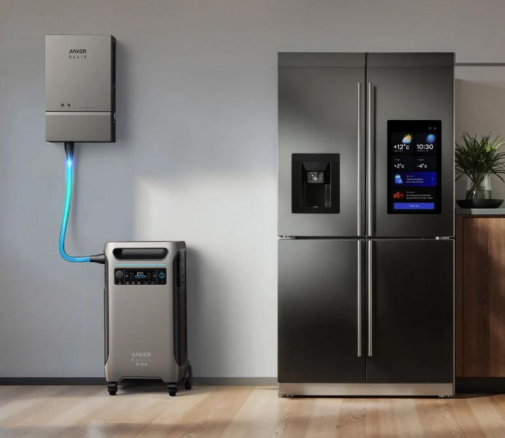
Small electronics such as phones and tablets often serve as lifelines for news and communication during outages. Charging power banks ahead of severe weather provides an immediate backup source for these devices. For longer disruptions, a portable power station can operate lights, routers, or small appliances safely indoors without fuel fumes. Units like Anker SOLIX portable power stations offer multiple outlets and stable output, making it easier to keep essential electronics running during extended blackouts. Storing backup power devices in a cool, dry place also helps maintain battery performance over time.

Test Flashlights and Stock Extra Batteries
Flashlights provide safer and brighter lighting than candles during a power failure. Testing them in advance ensures bulbs work properly and batteries still hold a charge. Keeping spare batteries in a clearly labeled container prevents last-minute searching in the dark. Headlamps can be especially useful because they leave both hands free for tasks like cooking or repairs. Placing one light source in each major room makes nighttime movement safer for everyone.
3. Plan for Information and Contact
Have a Battery-Powered Radio
When internet service is disrupted, radio broadcasts often remain one of the most reliable information sources. A battery-powered or hand-crank radio can deliver weather updates and emergency instructions. Storing extra batteries alongside the radio ensures it remains usable for several days. Keeping the device in a central location makes it easier for all household members to access updates. Regularly checking that the radio works prevents unpleasant surprises during an actual emergency.
Write Down Important Phone Numbers
Mobile phones store most contact details digitally, but batteries can run out quickly during emergencies. Writing down essential numbers provides a dependable backup when devices fail. Contacts may include family members, neighbors, doctors, and utility providers. Keeping this list in a waterproof pouch protects it from spills or damp conditions. Posting a copy on a refrigerator or bulletin board makes it easy to find quickly.
4. Protect Home and Devices
Unplug Sensitive Electronics
Sudden power loss and restoration can cause voltage spikes that damage electronics. Unplugging televisions, computers, and kitchen appliances reduces the risk of costly repairs. Surge protectors offer some protection, but unplugging is the safest option when an outage begins. Waiting a few minutes after power returns before reconnecting devices can also help avoid damage. This simple step protects valuable equipment and extends its lifespan.
Know How to Manually Operate Garage Doors
Electric garage doors may not function during a blackout, which can trap vehicles inside or outside. Learning how to use the manual release mechanism allows access when power is unavailable. Practicing this process during daylight makes it easier to perform safely in an emergency. Keeping the release handle free from clutter ensures it can be reached quickly. This knowledge can be especially important if evacuation becomes necessary.
5. Prepare Special Needs
Plan for Power-Dependent Medical Equipment
Some medical devices require constant electricity to operate safely. Backup batteries or portable power solutions should be arranged well before any outage occurs. Discussing contingency plans with healthcare providers can clarify how long devices can operate without main power. Keeping emergency contact numbers for medical support nearby adds another layer of preparedness. Early planning reduces risk and provides peace of mind for households with medical needs.
Keep Pet Food and Supplies Ready
Pets rely on consistent care, even when normal routines are disrupted. Storing extra pet food and bottled water ensures animals remain healthy during outages. Leashes, carriers, and waste supplies should be easy to access in case temporary relocation becomes necessary. Familiar blankets or toys can help reduce stress for pets during unusual conditions. Preparing for animals in advance prevents last-minute scrambling and keeps the whole household safer.
Conclusion
Preparation before a power outage transforms a stressful event into a manageable inconvenience. Simple supplies, reliable lighting, and backup power make daily routines easier to maintain. Access to information and communication helps households stay aware of changing conditions. Protecting electronics and planning for special needs reduces potential risks and damage. Taking these practical steps ahead of time builds confidence and resilience when unexpected outages occur.