Solar power and a generator can run together safely when the system is designed to manage both sources correctly. The key is controlling how power flows between solar panels, batteries, the inverter, household circuits, and the generator. Without proper equipment, connecting both at once can create backfeeding, overloads, unstable voltage, or damage to appliances and electrical components. With the right setup, however, a generator can support solar during cloudy periods, long outages, or heavy loads, while solar reduces fuel use and charging costs. Homeowners often use this combination for backup power, off-grid setups, or energy resilience. Safety depends on compatible hardware, correct wiring, and following the manufacturer’s operating limits closely.
Can Solar Power and a Generator Run Together?
How Solar Panels and Generators Work Together
Solar panels and generators serve different roles, but they can complement each other well. Solar panels produce DC electricity when sunlight is available, and an inverter converts that power into usable AC electricity for home loads or battery charging. A generator produces AC power directly and usually steps in when solar production is low or batteries need support. In a properly configured hybrid system, the inverter or energy management controls which source supplies the load, charges batteries, or remains on standby. This coordination helps maintain stable voltage and frequency while reducing unnecessary generator runtime. Instead of competing, solar and a generator work as coordinated backup sources when integrated through approved control equipment and wiring.
When You Can and Cannot Run Both Power Sources
You can run generator and solar power together when a hybrid inverter, transfer switch, or dedicated control system is designed to accept both inputs and isolate them safely. In that case, the system decides whether solar powers loads, charges batteries, or works alongside generator input under controlled conditions. You cannot simply plug a generator into a home circuit that is already tied to solar without approved switching and protection. That unsafe approach may send electricity backward into wiring, create phase conflicts, or damage the inverter. Grid-tied solar systems also require special controls during outages. If your equipment is not listed for combined operation, both sources should never operate on the same circuits simultaneously.
How to Connect Solar Power and a Generator Safely
Choose a Compatible Inverter, Transfer Switch, or Hybrid System
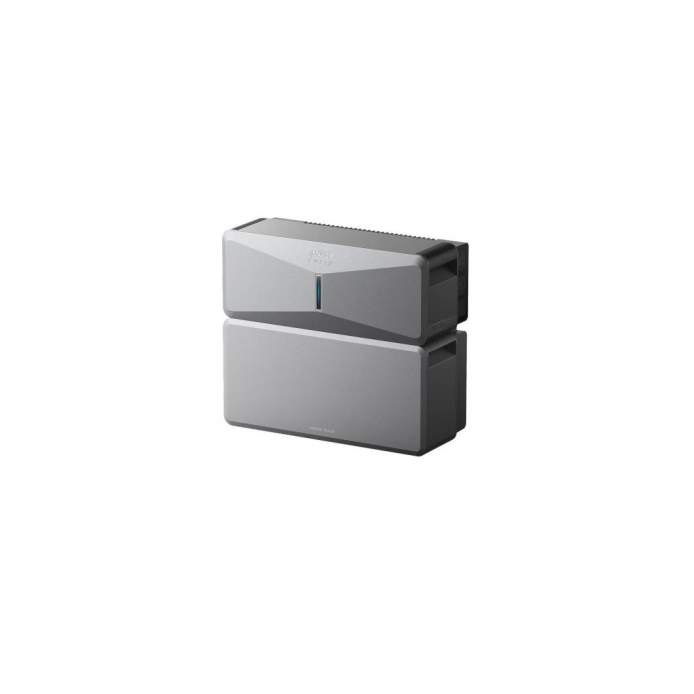
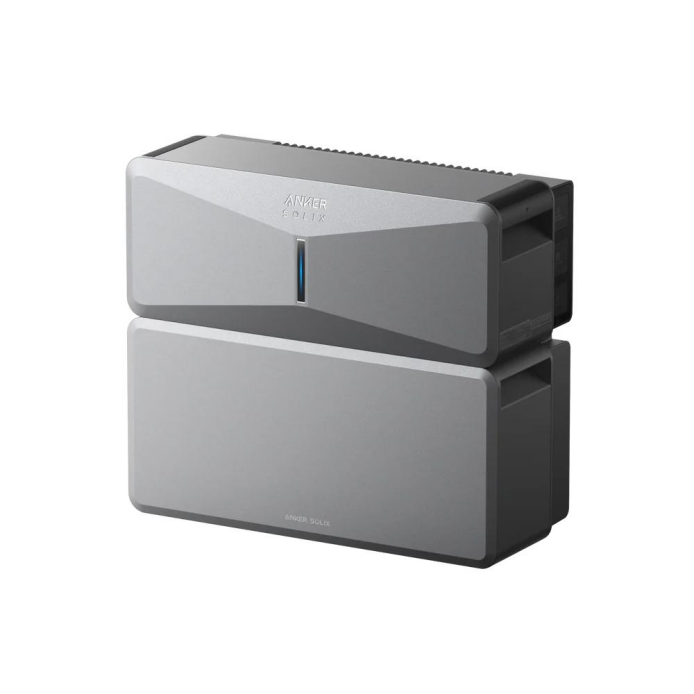
Safe connection starts with hardware built for dual-source operation. A compatible hybrid system can manage solar input, battery storage, household loads, and generator support without unsafe overlap. For example, the Anker SOLIX E10 Whole-Home Backup supports 120/240 VAC split phase, 7,680W rated output, up to 10,000W turbo backup output with battery support, 9-27kW solar input, and a 4.5kW smart generator input. It also offers up to 30kWh capacity per power module configuration and seamless switchover of 20ms or less. A transfer switch or integrated controller is still essential because it isolates sources, prioritizes loads, and prevents reverse feeding. Always confirm voltage, frequency, and input limits before installation.
Follow Safe Connection Steps to Prevent Backfeeding and Overloads
Begin by reviewing the inverter and generator manuals, then have a qualified electrician confirm the wiring plan, breaker sizing, grounding, and code compliance. Install an approved transfer switch, interlock, or hybrid control system so only intended circuits receive power from each source. Connect the generator only through the designated input, never through a dryer outlet, improvised cord, or backfed panel connection. Set charging and load priorities correctly so the system does not exceed inverter, battery, or generator limits during startup surges. Test the system under controlled conditions before relying on it during an outage. Label all equipment clearly, and keep maintenance schedules current to reduce failures when both power sources are needed.
Key Safety Risks and Best Practices for Using Both Systems
Avoid Electrical Hazards, Power Conflicts, and Generator Fumes
The biggest safety risks are backfeeding, overloaded circuits, unstable frequency, and poor ventilation around the generator. Backfeeding can energize lines unexpectedly, threatening utility workers and damaging equipment. Power conflicts can also occur if the inverter and generator try to control voltage or frequency at the same time without synchronization features. Overloads are common when large motors, pumps, or air conditioners start while battery and generator limits are already near capacity. Generator placement matters just as much as wiring. Never run a generator indoors, in a garage, or near doors, windows, or vents because carbon monoxide can build quickly. Use carbon monoxide alarms, proper grounding, weather-protected connections, and routine inspections.
Use Solar Battery Storage and Smart Power Management for Reliable Backup
Battery storage makes a solar-and-generator setup safer and more efficient because it creates a buffer between generation and household demand. Instead of forcing the generator to carry every sudden load change, the battery can absorb solar energy, support surge loads, and reduce rapid switching between sources. Smart power management improves reliability by prioritizing essential circuits, scheduling generator charging windows, and limiting noncritical appliances during outages. This approach lowers fuel consumption, reduces wear on the generator, and helps maintain cleaner power for sensitive electronics. It also allows solar production to do more useful work during daylight hours. For whole-home backup, batteries and automated controls usually provide the smoothest and safest combined operation.
Conclusion
Yes, solar power and a generator can run together safely, but only when the system is designed for that purpose. The safest setup uses a compatible hybrid inverter, transfer switch, battery storage, and proper controls to manage when each source supplies loads or charges the battery. That prevents backfeeding, overloads, phase conflicts, and equipment damage. It also improves reliability during outages by combining daytime solar production with generator support when sunlight or stored energy is limited. If your current system is grid-tied or not rated for dual-source operation, do not attempt a direct connection. Have a licensed electrician verify compatibility, wiring, grounding, and protection devices. Safe integration turns solar and generator power into a practical, dependable backup solution for homes.