Battery backup for home can absolutely be worth it without solar if your main goal is reliable outage protection, backup power for essential circuits, or better control over when you use grid electricity. A home battery can charge from the grid, store energy, and then supply power when the utility goes down or when electricity rates are higher. That makes it useful even for homes that are not ready to install solar panels. The real value comes down to your priorities: keeping refrigerators, medical devices, internet, lights, and heating or cooling running; reducing disruption during blackouts; and, in some cases, lowering bills through time-of-use rate shifting. If outages are frequent or costly for your household, a battery-only setup can make practical financial and lifestyle sense.
How Does Battery Backup for Home Work Without Solar?
How Grid-Charged Home Battery Backup Systems Work
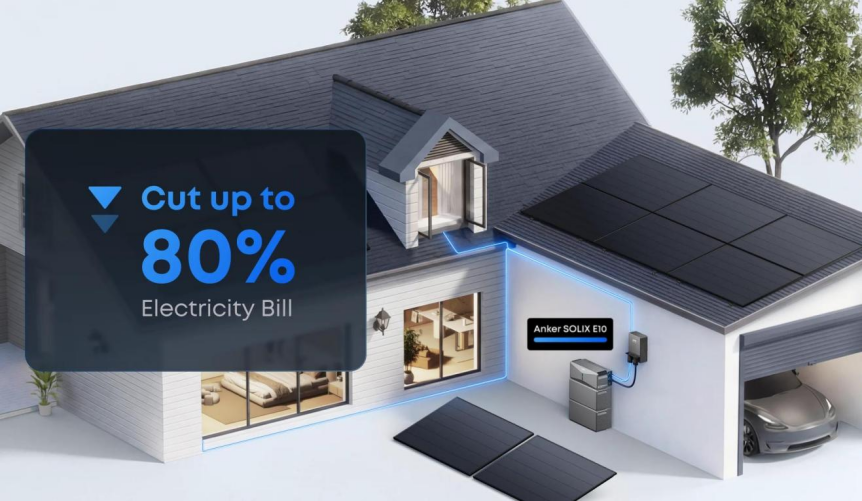
A grid-charged home battery backup system stores electricity from your utility service instead of relying on solar panels. Under normal conditions, the battery charges when power is available, either on a schedule or automatically, depending on the system settings. The inverter manages charging, converts stored DC energy into usable AC electricity, and monitors your home’s load. If the grid fails, the system disconnects from utility power and begins supplying stored energy to backed-up circuits or the whole home, depending on the installation. Some systems also support charging during lower-rate periods and discharging during expensive peak hours. In short, battery backup without solar works like a reserve energy source that gives your home short-term independence from utility interruptions.
What Can a Home Battery Backup Power During an Outage?
What a home battery backup can power during an outage depends on the battery capacity, inverter output, and whether you back up selected loads or the whole home. In many homes, a battery can keep essentials running, including refrigerators, freezers, lights, Wi-Fi, phones, laptops, garage doors, security systems, and medical equipment. A larger system may also support sump pumps, microwave use, laundry appliances, or parts of an HVAC setup. High-demand loads such as electric water heaters, ovens, and central air require stronger output and enough stored energy to sustain them. The most effective approach is to decide which loads matter most, then size the battery backup so it can handle both the startup surge and the expected runtime.
Is Home Battery Backup Worth the Cost Without Solar?
Home Battery Backup Costs and Long-Term Value
A home battery backup without solar is worth the cost when outage protection has real value for your household. Financial return is not only about bill savings; it also includes avoided food spoilage, fewer work interruptions, protection for critical devices, and peace of mind during storms or grid failures. Upfront costs include the battery, inverter, transfer equipment, installation, and any electrical panel work. Long-term value improves when the battery uses durable chemistry, supports expansion, and offers strong output for more appliances. LFP batteries are often favored for safety and long cycle life. If your area has repeated outages or you rely on powered medical, work, or comfort systems, the practical value can justify the investment even without rooftop solar.
When Can a Battery Backup Lower Electricity Bills?
A battery backup can lower electricity bills without solar when your utility uses time-of-use pricing or demand-related charges. In that setup, the battery charges from the grid when electricity is cheaper, then discharges later when rates are highest. This strategy is called load shifting or peak shaving. Savings are strongest in regions with large price gaps between off-peak and peak periods. Some homeowners also use battery storage to avoid short spikes in electricity demand that can increase costs under certain rate plans. The key is having a system with smart controls and enough usable capacity to cover meaningful evening consumption. If your utility offers flat rates all day, outage protection may remain the main benefit rather than direct bill reduction.
How to Choose the Right Home Battery Backup System
Battery Capacity, Power Output, and Backup Duration
Choose a battery backup for home system by matching three factors to your actual needs: capacity, power output, and backup duration. Capacity, measured in kilowatt-hours, determines how long the battery can run your loads. Power output, measured in watts or kilowatts, determines how many devices or appliances it can run at once and whether it can start motors. Backup duration depends on both battery size and your energy use during an outage. Start by listing essential loads, their wattage, and how many hours you need them to operate. Then account for startup surges from refrigerators, pumps, and air conditioners. A properly sized system feels dependable; an undersized one may force constant tradeoffs.
Anker SOLIX Whole Home Backup Power Options
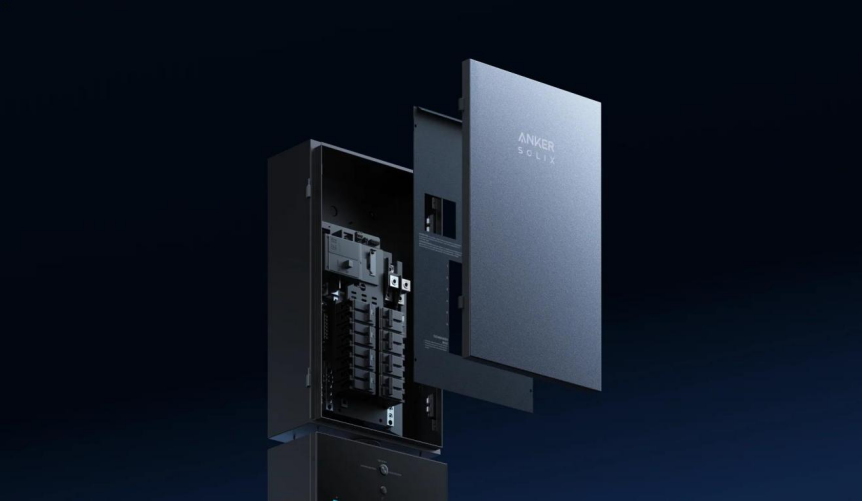
For homeowners who want battery backup without installing solar immediately, the Anker SOLIX E10 Whole-Home Backup is designed for flexible whole-home use. It supports 120/240VAC split phase, delivers 7,680W continuous output, and can reach 10,000W for 90 minutes with battery support. Turbo output scales from 10kW to 30kW, with battery expandability from 6kWh to 90kWh. Each battery provides 6,144Wh and uses LFP cells rated for 4,000+ cycles. The system also offers up to 9.6kW AC recharging, can start a 5-ton central A/C, and switches over in 20ms or less during outages. With UL 9540 and UL 9540A certification, IP66 protection, and Wi-Fi and Bluetooth connectivity, it fits demanding backup applications.
Conclusion
Battery backup for home is worth it without solar when your priority is dependable backup power, not just energy production. A grid-charged battery can keep essential appliances and systems running during outages, reduce disruption, and add flexibility if your utility has time-based electricity pricing. It becomes especially valuable for homes in blackout-prone areas, households with medical or work-from-home needs, or anyone who wants stronger energy resilience. The best results come from choosing a system sized for your real loads and expected runtime, rather than buying on capacity alone. If you want immediate backup protection now and may add solar later, a battery-only setup is a practical step. For many households, that makes it a worthwhile investment even before solar enters the picture.